Local Food Opens Students’ Eyes — and Palates
Purple bell peppers. Israeli melons.
Those aren’t items you might expect to find on a typical school lunch tray. But at The Academy of Charter Schools in Westminster, introducing students to something new is part of the point.
With a $43,000 award through Colorado’s Local Food Program, The Academy is bringing more locally grown and produced foods into its Wildcat Café — and using the opportunity to introduce students to foods they might not otherwise encounter.
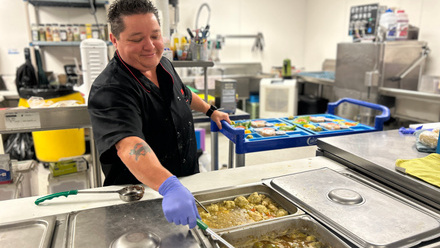
For Program Manager Tawnya Cole, who oversees a food service operation serving approximately 1,100 meals each day, the funding comes at an important time. Rising food costs have made it harder to stretch school nutrition dollars, while the Local Food Program gives her team more flexibility to seek out Colorado products and try something different.
“We have to keep trying to get them to taste new things,” Cole says.
Making the Unfamiliar Familiar
Through Colorado food hubs Mountain Freshies and Common Harvest, The Academy is seeking out produce that goes beyond everyday cafeteria staples. That includes Colorado-grown Israeli melons and purple bell peppers — giving students a chance to discover some of the variety being grown right here in their home state.
Other items offer a new take on something students already know. Asian pears and Golden Ginger apples, for example, can make an everyday piece of lunchroom fruit a little more interesting.
And local purchasing extends beyond produce. The Academy is also serving Noosa yogurt, a well-known Colorado brand, paired with a granola cookie.
The goal isn’t for every student to love every new food on the first try. For Cole, simply giving students repeated opportunities to see and taste unfamiliar ingredients is part of the process. Today’s unfamiliar fruit or vegetable might become tomorrow’s favorite.
Connecting the Cafeteria to the Ranch
And local doesn’t stop at the produce aisle.
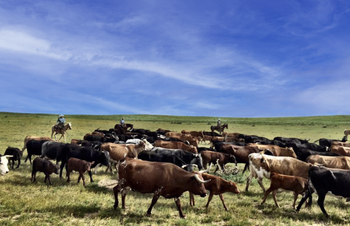
This year, The Academy purchased approximately 100 pounds of beef from Rancho Largo, headed by Colorado native Grady Grissom. The beef will show up in a decidedly kid-friendly meal: Philly cheesesteaks.
For Grissom, selling beef to schools is about more than creating another market for his product. It’s an opportunity to help young people understand where their food comes from.
“We are proud to sell our beef to local schools,” Grissom says. “We hope local food will help kids appreciate real raw food. Food that carries the nutrition of healthy land and soils.”
He also hopes local food can help students see the agricultural landscape around them differently.
“It seems like many kids don’t realize the connection between the grass lands and farm lands they see out their car window and the food they eat,” he says. “We hope a successful local food movement makes that connection.”
Keeping Food Dollars Closer to Home
That connection matters to Cole, too.
With family ties to rural communities, she sees purchasing from smaller farms and ranches as an opportunity to support the people producing food in Colorado while keeping more food dollars in local communities.
“My hope is to be able to support our local farms,” Cole says. “If we don't support them, who is going to?”
Colorado’s relatively short growing season can make year-round local purchasing challenging, but Cole hopes to continue finding ways to incorporate locally sourced produce throughout the school year and eventually purchase more meat directly from smaller Colorado farms and ranches.
“All the way around it is just better,” she says.
Building a Healthier School Community

For Cole, local purchasing is also part of a broader effort to give students more opportunities to experience fresh foods and think about where their food comes from.
Students are helping tell that story, too. As part of a senior project, one Academy student has been developing the school’s social media presence and sharing messages about its local food efforts — giving students and families another window into what is being served and where it comes from.
Ultimately, the work is about more than putting Colorado products on a lunch tray. It’s about helping students discover new foods, understand where those foods come from and see the connection between what they eat and the farmers, ranchers and food producers behind it.
And sometimes, that starts with something as simple as asking a student to take one bite of a purple pepper or an unfamiliar apple.
Then, as Cole says, you keep trying.
About Nourish Colorado
Nourish Colorado is a non-profit organization committed to increasing access to nutritious, local food and building a more equitable food system across Colorado. We conduct policy advocacy for systems change, manage programs that increase food access and support local producers, and work alongside community partners to inspire collective action.
Frequently Asked Questions
1. What is Colorado’s Local Food Program?
Colorado’s Local Food Program provides funding to participating school districts and charter schools to purchase Colorado-grown, raised and produced foods for school meals.
2. How does the Local Food Program benefit students?
The program gives students greater access to fresh, locally sourced foods while introducing them to new ingredients and helping them understand where their food comes from.
3. How does the Local Food Program support Colorado farmers and ranchers?
By creating more opportunities for schools to purchase Colorado products, the program helps keep food dollars in local communities and builds stronger connections between schools and local producers.
4. Who is supporting grantees of Colorado’s Local Food Program?
CDE has awarded the Local Food Purchasing Technical Assistance and Education Grant to Nourish Colorado. Throughout the school year, Nourish Colorado will support sponsors by helping them find local products and build relationships with producers.
5. What is Nourish Colorado?
Nourish Colorado is a nonprofit organization committed to increasing access to nutritious, local food and building a more equitable food system across Colorado. It conducts policy advocacy, manages programs that increase food access and support local producers, and works alongside community partners to inspire collective action.